Buy fachgeschaeft.eu ?
We are moving the project
fachgeschaeft.eu .
Are you interested in purchasing the domain
fachgeschaeft.eu ?
domain@kv-gmbh.de · 0541-91531010
Buy fachgeschaeft.eu ?
What are trophic levels and trophic structures?
Trophic levels refer to the hierarchical levels in an ecosystem through which energy and nutrients flow. They represent the feeding positions of different organisms in a food chain or food web. Trophic structures, on the other hand, describe the organization of these trophic levels within an ecosystem. This includes the distribution of energy and nutrients among different organisms, as well as the interactions and relationships between them. Overall, trophic levels and trophic structures are important concepts for understanding the flow of energy and nutrients in ecosystems and the dynamics of food chains and food webs. **
Are trophic levels and trophic levels the same in biology?
No, trophic levels and trophic levels are not the same in biology. Trophic levels refer to the hierarchical levels in an ecosystem based on an organism's position in the food chain, such as producers, primary consumers, secondary consumers, etc. On the other hand, trophic cascades are the indirect effects that occur when a change in one trophic level impacts other trophic levels in the ecosystem. Both concepts are important in understanding the dynamics of energy flow and interactions within ecosystems. **

Similar search terms for Trophic
Top-Angebote
Products related to Trophic:
-
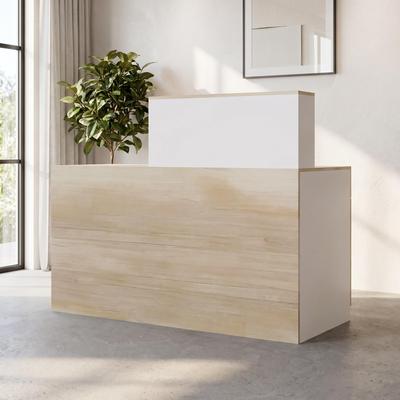
Timechee Retail Reception Counter Desk with Locking Drawer & Cabinet, 55” Checkout Counter for Store, Salon, Coffee Shop, Front DeskThis stylish reception counter desk is designed to enhance both functionality and aesthetics in commercial spaces. The warm white and oak wood grain finish delivers a welcoming and modern appearance.216,99 $*Shipping: 0,00 $Secure redirect to the provider
-
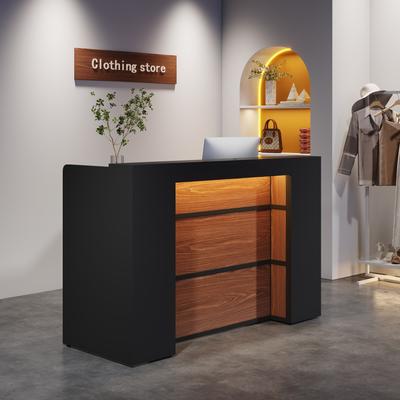
1Easylife Large Reception Desk Front Desk with LED Lights for Salon Reception Room Store Office Lobby Retail Shop ClinicThis reception desk is perfect for any business or office looking to make a strong first impression. The large desk features LED lighting that adds a modern touch to your reception area.229,59 $*Shipping: 0,00 $Secure redirect to the provider
-
1Easylife 63 Inch LED Reception Front Counter Desk Table with Private Panels for Check Out Retail,Store Office Lobby Shop ClinicUpgrade your reception area with this modern and functional reception desk. With LED lighting and privacy baffle, this reception desk offers a unique and stylish solution to meet your business needs.239,99 $*Shipping: 0,00 $Secure redirect to the provider
-
Inspired Finds Retro Navy 3 Pack Fashion Gift Packaging Paper Bags For Boutique & Retail mElevate your retail presentation or giftgiving with this set of retro navy gift packaging bags that blend timeless style with practical durability. Designed for boutiques, clothing stores, jewelry shops, and fashion brands, these fashionable paper...34,99 $*Shipping: 0,00 $Secure redirect to the provider


-
Are trophic levels and trophic levels the same thing in biology?
No, "trophic levels" and "trophic levels" are not the same thing in biology. "Trophic levels" refer to the hierarchical levels in an ecosystem based on an organism's position in the food chain, such as producers, primary consumers, secondary consumers, and so on. On the other hand, "trophic levels" appears to be a typographical error or a repetition of the term "trophic levels." In biology, it is important to use accurate and specific terminology to avoid confusion and miscommunication. **
-
Why do organisms become larger from trophic level to trophic level?
Organisms become larger from trophic level to trophic level due to the efficiency of energy transfer in ecosystems. As energy is transferred from one trophic level to the next, there is a loss of energy in the form of heat and metabolic processes. Larger organisms are able to consume more energy-rich food sources and have a more efficient metabolism, allowing them to grow in size as they move up the food chain. Additionally, larger organisms are better equipped to capture and consume prey, giving them a competitive advantage in obtaining energy and resources. **
-
Why do organisms get larger from trophic level to trophic level?
Organisms tend to get larger from one trophic level to the next because as energy is transferred up the food chain, there is a loss of energy at each level. This means that organisms at higher trophic levels need to consume larger quantities of organisms from lower trophic levels to obtain enough energy to sustain themselves. Additionally, larger organisms are more efficient at capturing and consuming prey, allowing them to thrive at higher trophic levels. Finally, larger organisms have a lower surface area to volume ratio, which helps them retain heat and energy more effectively. **
-
Why does the biomass decrease from trophic level to trophic level?
Biomass decreases from trophic level to trophic level because energy is lost as it moves through the food chain. Organisms at each trophic level use some of the energy they consume for their own metabolic processes, such as respiration and movement, and the rest is lost as heat. This means that there is less energy available to be passed on to the next trophic level, resulting in a decrease in biomass. Additionally, not all of the energy from one trophic level is consumed by the next level, as some is lost through waste and uneaten parts of organisms. **

What are trophic levels in biology?
Trophic levels in biology refer to the hierarchical levels in an ecosystem where organisms are grouped based on their feeding relationships. The primary producers, such as plants, are at the base of the trophic levels as they convert sunlight into energy through photosynthesis. Herbivores that feed on plants are at the next level, followed by carnivores that eat herbivores. Each trophic level represents a transfer of energy and nutrients through the ecosystem, with energy decreasing as it moves up the levels. **
What is the difference between a specialty store and a specialty shop, a supermarket and a consumer market?
A specialty store typically refers to a retail store that focuses on selling a specific type of product or serving a particular niche market, such as a store that only sells electronics or sports equipment. On the other hand, a specialty shop is a smaller, more specialized retail establishment that may offer unique or handcrafted items, often with a focus on a specific theme or style. A supermarket is a large self-service grocery store that offers a wide variety of food and household products, often organized into different departments like produce, meat, and bakery. In contrast, a consumer market refers to the overall marketplace where goods and services are bought and sold by consumers, encompassing a wide range of products beyond just groceries, such as clothing, electronics, and personal care items. **
Top-Angebote
Products related to Trophic:
-
Value Selection Run Panel Retail Store Display Garage Tool Organizer Run Panel Retail Store Display Garage Tool OrganizerTransform your cluttered workspace into a model of sleek efficiency with a wall mounting display solution that inspires total peace of mind. This heavyduty slatwall panel is expertly crafted for professionals, boutique owners, and homeowners...209,97 $*Shipping: 0,00 $Secure redirect to the provider
-
Timechee Retail Reception Counter Desk with Locking Drawer & Cabinet, 55” Checkout Counter for Store, Salon, Coffee Shop, Front DeskThis stylish reception counter desk is designed to enhance both functionality and aesthetics in commercial spaces. The warm white and oak wood grain finish delivers a welcoming and modern appearance.216,99 $*Shipping: 0,00 $Secure redirect to the provider
-
1Easylife Large Reception Desk Front Desk with LED Lights for Salon Reception Room Store Office Lobby Retail Shop ClinicThis reception desk is perfect for any business or office looking to make a strong first impression. The large desk features LED lighting that adds a modern touch to your reception area.229,59 $*Shipping: 0,00 $Secure redirect to the provider
-
What are trophic levels and trophic structures?
Trophic levels refer to the hierarchical levels in an ecosystem through which energy and nutrients flow. They represent the feeding positions of different organisms in a food chain or food web. Trophic structures, on the other hand, describe the organization of these trophic levels within an ecosystem. This includes the distribution of energy and nutrients among different organisms, as well as the interactions and relationships between them. Overall, trophic levels and trophic structures are important concepts for understanding the flow of energy and nutrients in ecosystems and the dynamics of food chains and food webs. **
-
Are trophic levels and trophic levels the same in biology?
No, trophic levels and trophic levels are not the same in biology. Trophic levels refer to the hierarchical levels in an ecosystem based on an organism's position in the food chain, such as producers, primary consumers, secondary consumers, etc. On the other hand, trophic cascades are the indirect effects that occur when a change in one trophic level impacts other trophic levels in the ecosystem. Both concepts are important in understanding the dynamics of energy flow and interactions within ecosystems. **
-
Are trophic levels and trophic levels the same thing in biology?
No, "trophic levels" and "trophic levels" are not the same thing in biology. "Trophic levels" refer to the hierarchical levels in an ecosystem based on an organism's position in the food chain, such as producers, primary consumers, secondary consumers, and so on. On the other hand, "trophic levels" appears to be a typographical error or a repetition of the term "trophic levels." In biology, it is important to use accurate and specific terminology to avoid confusion and miscommunication. **
-
Why do organisms become larger from trophic level to trophic level?
Organisms become larger from trophic level to trophic level due to the efficiency of energy transfer in ecosystems. As energy is transferred from one trophic level to the next, there is a loss of energy in the form of heat and metabolic processes. Larger organisms are able to consume more energy-rich food sources and have a more efficient metabolism, allowing them to grow in size as they move up the food chain. Additionally, larger organisms are better equipped to capture and consume prey, giving them a competitive advantage in obtaining energy and resources. **
Similar search terms for Trophic
-
1Easylife 63 Inch LED Reception Front Counter Desk Table with Private Panels for Check Out Retail,Store Office Lobby Shop ClinicUpgrade your reception area with this modern and functional reception desk. With LED lighting and privacy baffle, this reception desk offers a unique and stylish solution to meet your business needs.239,99 $*Shipping: 0,00 $Secure redirect to the provider
-
Inspired Finds Retro Navy 3 Pack Fashion Gift Packaging Paper Bags For Boutique & Retail mElevate your retail presentation or giftgiving with this set of retro navy gift packaging bags that blend timeless style with practical durability. Designed for boutiques, clothing stores, jewelry shops, and fashion brands, these fashionable paper...34,99 $*Shipping: 0,00 $Secure redirect to the provider
-
YUZHOU Large Reception Desk Front Desk with LED Lights for Salon Reception Room Store Office Lobby Retail Shop ClinicThis reception desk is perfect for any business or office looking to make a strong first impression. The large desk features LED lighting that adds a modern touch to your reception area.239,84 $*Shipping: 0,00 $Secure redirect to the provider
-
Why do organisms get larger from trophic level to trophic level?
Organisms tend to get larger from one trophic level to the next because as energy is transferred up the food chain, there is a loss of energy at each level. This means that organisms at higher trophic levels need to consume larger quantities of organisms from lower trophic levels to obtain enough energy to sustain themselves. Additionally, larger organisms are more efficient at capturing and consuming prey, allowing them to thrive at higher trophic levels. Finally, larger organisms have a lower surface area to volume ratio, which helps them retain heat and energy more effectively. **
-
Why does the biomass decrease from trophic level to trophic level?
Biomass decreases from trophic level to trophic level because energy is lost as it moves through the food chain. Organisms at each trophic level use some of the energy they consume for their own metabolic processes, such as respiration and movement, and the rest is lost as heat. This means that there is less energy available to be passed on to the next trophic level, resulting in a decrease in biomass. Additionally, not all of the energy from one trophic level is consumed by the next level, as some is lost through waste and uneaten parts of organisms. **
-
What are trophic levels in biology?
Trophic levels in biology refer to the hierarchical levels in an ecosystem where organisms are grouped based on their feeding relationships. The primary producers, such as plants, are at the base of the trophic levels as they convert sunlight into energy through photosynthesis. Herbivores that feed on plants are at the next level, followed by carnivores that eat herbivores. Each trophic level represents a transfer of energy and nutrients through the ecosystem, with energy decreasing as it moves up the levels. **
-
What is the difference between a specialty store and a specialty shop, a supermarket and a consumer market?
A specialty store typically refers to a retail store that focuses on selling a specific type of product or serving a particular niche market, such as a store that only sells electronics or sports equipment. On the other hand, a specialty shop is a smaller, more specialized retail establishment that may offer unique or handcrafted items, often with a focus on a specific theme or style. A supermarket is a large self-service grocery store that offers a wide variety of food and household products, often organized into different departments like produce, meat, and bakery. In contrast, a consumer market refers to the overall marketplace where goods and services are bought and sold by consumers, encompassing a wide range of products beyond just groceries, such as clothing, electronics, and personal care items. **
* All prices are inclusive of VAT and, if applicable, plus shipping costs. The offer information is based on the details provided by the respective shop and is updated through automated processes. Real-time updates do not occur, so deviations can occur in individual cases. ** Note: Parts of this content were created by AI.