Buy fachgeschaeft.eu ?
We are moving the project
fachgeschaeft.eu .
Are you interested in purchasing the domain
fachgeschaeft.eu ?
domain@kv-gmbh.de · 0541-91531010
Buy fachgeschaeft.eu ?
From when does assets count as exempt assets?
Assets are considered exempt assets when they meet specific criteria set by the government or relevant authorities. These criteria may include the type of asset, its value, and the purpose for which it is held. Exempt assets are typically protected from being seized or liquidated in certain situations, such as bankruptcy or legal proceedings. It is important to understand the rules and regulations governing exempt assets to ensure proper protection and planning for financial security. **
What is the difference between a specialty store and a specialty shop, a supermarket and a consumer market?
A specialty store typically refers to a retail store that focuses on selling a specific type of product or serving a particular niche market, such as a store that only sells electronics or sports equipment. On the other hand, a specialty shop is a smaller, more specialized retail establishment that may offer unique or handcrafted items, often with a focus on a specific theme or style. A supermarket is a large self-service grocery store that offers a wide variety of food and household products, often organized into different departments like produce, meat, and bakery. In contrast, a consumer market refers to the overall marketplace where goods and services are bought and sold by consumers, encompassing a wide range of products beyond just groceries, such as clothing, electronics, and personal care items. **


Similar search terms for Assets
Top-Angebote
Products related to Assets:
-
Value Selection Run Panel Retail Store Display Garage Tool Organizer Run Panel Retail Store Display Garage Tool OrganizerTransform your cluttered workspace into a model of sleek efficiency with a wall mounting display solution that inspires total peace of mind. This heavyduty slatwall panel is expertly crafted for professionals, boutique owners, and homeowners...209,97 $*Shipping: 0,00 $Secure redirect to the provider
-
1Easylife Large Reception Desk Front Desk with LED Lights for Salon Reception Room Store Office Lobby Retail Shop ClinicThis reception desk is perfect for any business or office looking to make a strong first impression. The large desk features LED lighting that adds a modern touch to your reception area.229,59 $*Shipping: 0,00 $Secure redirect to the provider
-
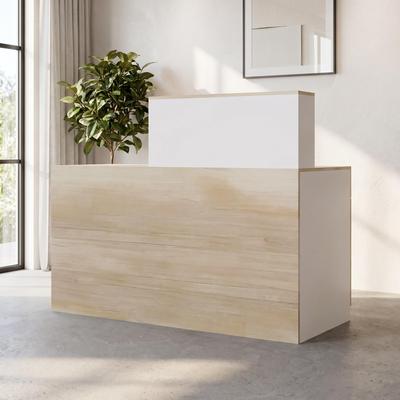
Timechee Retail Reception Counter Desk with Locking Drawer & Cabinet, 55” Checkout Counter for Store, Salon, Coffee Shop, Front DeskThis stylish reception counter desk is designed to enhance both functionality and aesthetics in commercial spaces. The warm white and oak wood grain finish delivers a welcoming and modern appearance.216,99 $*Shipping: 0,00 $Secure redirect to the provider


-
What is the difference between fixed assets and current assets?
Fixed assets are long-term assets that a company owns and uses to generate revenue, such as buildings, machinery, and equipment. These assets are not easily converted into cash and are expected to provide benefits to the company for more than one year. On the other hand, current assets are short-term assets that can be easily converted into cash within one year, such as cash, accounts receivable, and inventory. Current assets are used to support the day-to-day operations of a business and are essential for its liquidity and short-term financial health. **
-
What is the difference between net assets and operating assets?
Net assets refer to the total assets of a company minus its total liabilities, representing the company's equity or ownership value. On the other hand, operating assets are the assets that a company uses in its day-to-day operations to generate revenue. Operating assets are a subset of net assets and include items such as inventory, equipment, and accounts receivable. In summary, net assets represent the overall financial position of a company, while operating assets specifically pertain to the assets used in the company's core business activities. **
-
What is the difference between current assets and fixed assets?
Current assets are assets that are expected to be converted into cash or used up within one year, such as cash, accounts receivable, and inventory. Fixed assets, on the other hand, are long-term assets that are not expected to be converted into cash within one year, such as property, plant, and equipment. In summary, current assets are short-term assets that are expected to be used up or converted into cash within one year, while fixed assets are long-term assets that are used to generate income over a longer period of time. **
-
How is equity, debt capital, current assets, and fixed assets combined?
Equity, debt capital, current assets, and fixed assets are combined on a company's balance sheet. Equity represents the ownership interest of the shareholders, while debt capital represents the funds borrowed by the company. Current assets, such as cash, inventory, and accounts receivable, are combined with fixed assets, such as property, plant, and equipment, to represent the total assets of the company. These components are combined to provide a snapshot of the company's financial position and to show how the company has financed its operations and investments. **


What are brand assets?
Brand assets are the elements that contribute to the overall value and recognition of a brand. These can include tangible assets such as logos, slogans, and packaging, as well as intangible assets like brand reputation, customer loyalty, and brand associations. Brand assets help to differentiate a brand from its competitors, build brand awareness, and create a strong brand identity in the minds of consumers. They are essential for establishing a brand's presence in the market and fostering long-term relationships with customers. **
What are fixed assets?
Fixed assets are long-term tangible assets that are used in the production of goods and services and are not intended for sale. These assets are essential for the operation of a business and are expected to provide benefits for more than one year. Examples of fixed assets include buildings, machinery, equipment, land, and vehicles. Fixed assets are recorded on the balance sheet and are typically depreciated over their useful life to reflect their gradual consumption or obsolescence. **
Top-Angebote
Products related to Assets:
-
Grandpa Beck’s Games Cover Your Assets Card Game - Easy Matching Stealing Game for Family 8+Lively card game for family and friends. Players match and steal sets of valuables. Includes piggy banks, jewelry, classic cars. 4-6 players. Ages 7+. Easy-to-learn gameplay.13,59 £*Shipping: 3,95 £Secure redirect to the provider
-
Plata Publishing FAKE: Fake Money, Fake Teachers, Fake Assets & Rich Dad Poor Dad By Robert T. Kiyosaki 2 Books Collection SetFAKE: Fake Money, Fake Teachers, Fake Assets & Rich Dad Poor Dad By Robert T. Kiyosaki 2 Books Collection Set: FAKE: Fake Money, Fake Teachers, Fake Assets: In FAKE: Fake Money, Fake Teachers, Fake Assets, Robert delivers insights and answers that help ordinary people―who probably haven’t had a lot of financial education―determine what’s ‘real’ and relevant to their financial lives. Every day we are bombarded with news reports and information and opinions… How do we decipher fact from fiction? How do we differentiate between truth and lies? And determine what’s real… from what isn’t? Kiyosaki believes that it starts with education, financial education designed to make us smarter with our money―and able to fight what’s fake and use what isn’t to secure our financial future. Rich Dad Poor Dad: Rich Dad Poor Dad is Robert's story of growing up with two dads — his real father and the father of his best friend, his rich dad — and the ways in which both men shaped his thoughts about money and investing. The book explodes the myth that you need to earn a high income to be rich and explains the difference between working for money and having your money work for you.12,95 £*Shipping: 2,99 £Secure redirect to the provider
-
Value Selection Run Panel Retail Store Display Garage Tool Organizer Run Panel Retail Store Display Garage Tool OrganizerTransform your cluttered workspace into a model of sleek efficiency with a wall mounting display solution that inspires total peace of mind. This heavyduty slatwall panel is expertly crafted for professionals, boutique owners, and homeowners...209,97 $*Shipping: 0,00 $Secure redirect to the provider
-
From when does assets count as exempt assets?
Assets are considered exempt assets when they meet specific criteria set by the government or relevant authorities. These criteria may include the type of asset, its value, and the purpose for which it is held. Exempt assets are typically protected from being seized or liquidated in certain situations, such as bankruptcy or legal proceedings. It is important to understand the rules and regulations governing exempt assets to ensure proper protection and planning for financial security. **
-
What is the difference between a specialty store and a specialty shop, a supermarket and a consumer market?
A specialty store typically refers to a retail store that focuses on selling a specific type of product or serving a particular niche market, such as a store that only sells electronics or sports equipment. On the other hand, a specialty shop is a smaller, more specialized retail establishment that may offer unique or handcrafted items, often with a focus on a specific theme or style. A supermarket is a large self-service grocery store that offers a wide variety of food and household products, often organized into different departments like produce, meat, and bakery. In contrast, a consumer market refers to the overall marketplace where goods and services are bought and sold by consumers, encompassing a wide range of products beyond just groceries, such as clothing, electronics, and personal care items. **
-
What is the difference between fixed assets and current assets?
Fixed assets are long-term assets that a company owns and uses to generate revenue, such as buildings, machinery, and equipment. These assets are not easily converted into cash and are expected to provide benefits to the company for more than one year. On the other hand, current assets are short-term assets that can be easily converted into cash within one year, such as cash, accounts receivable, and inventory. Current assets are used to support the day-to-day operations of a business and are essential for its liquidity and short-term financial health. **
-
What is the difference between net assets and operating assets?
Net assets refer to the total assets of a company minus its total liabilities, representing the company's equity or ownership value. On the other hand, operating assets are the assets that a company uses in its day-to-day operations to generate revenue. Operating assets are a subset of net assets and include items such as inventory, equipment, and accounts receivable. In summary, net assets represent the overall financial position of a company, while operating assets specifically pertain to the assets used in the company's core business activities. **
Similar search terms for Assets
-
1Easylife Large Reception Desk Front Desk with LED Lights for Salon Reception Room Store Office Lobby Retail Shop ClinicThis reception desk is perfect for any business or office looking to make a strong first impression. The large desk features LED lighting that adds a modern touch to your reception area.229,59 $*Shipping: 0,00 $Secure redirect to the provider
-
Timechee Retail Reception Counter Desk with Locking Drawer & Cabinet, 55” Checkout Counter for Store, Salon, Coffee Shop, Front DeskThis stylish reception counter desk is designed to enhance both functionality and aesthetics in commercial spaces. The warm white and oak wood grain finish delivers a welcoming and modern appearance.216,99 $*Shipping: 0,00 $Secure redirect to the provider
-
1Easylife 63 Inch LED Reception Front Counter Desk Table with Private Panels for Check Out Retail,Store Office Lobby Shop ClinicUpgrade your reception area with this modern and functional reception desk. With LED lighting and privacy baffle, this reception desk offers a unique and stylish solution to meet your business needs.239,99 $*Shipping: 0,00 $Secure redirect to the provider
-
Inspired Finds Retro Navy 3 Pack Fashion Gift Packaging Paper Bags For Boutique & Retail lElevate your retail presentation or giftgiving with this set of retro navy gift packaging bags that blend timeless style with practical durability. Designed for boutiques, clothing stores, jewelry shops, and fashion brands, these fashionable paper...34,99 $*Shipping: 0,00 $Secure redirect to the provider
-
What is the difference between current assets and fixed assets?
Current assets are assets that are expected to be converted into cash or used up within one year, such as cash, accounts receivable, and inventory. Fixed assets, on the other hand, are long-term assets that are not expected to be converted into cash within one year, such as property, plant, and equipment. In summary, current assets are short-term assets that are expected to be used up or converted into cash within one year, while fixed assets are long-term assets that are used to generate income over a longer period of time. **
-
How is equity, debt capital, current assets, and fixed assets combined?
Equity, debt capital, current assets, and fixed assets are combined on a company's balance sheet. Equity represents the ownership interest of the shareholders, while debt capital represents the funds borrowed by the company. Current assets, such as cash, inventory, and accounts receivable, are combined with fixed assets, such as property, plant, and equipment, to represent the total assets of the company. These components are combined to provide a snapshot of the company's financial position and to show how the company has financed its operations and investments. **
-
What are brand assets?
Brand assets are the elements that contribute to the overall value and recognition of a brand. These can include tangible assets such as logos, slogans, and packaging, as well as intangible assets like brand reputation, customer loyalty, and brand associations. Brand assets help to differentiate a brand from its competitors, build brand awareness, and create a strong brand identity in the minds of consumers. They are essential for establishing a brand's presence in the market and fostering long-term relationships with customers. **
-
What are fixed assets?
Fixed assets are long-term tangible assets that are used in the production of goods and services and are not intended for sale. These assets are essential for the operation of a business and are expected to provide benefits for more than one year. Examples of fixed assets include buildings, machinery, equipment, land, and vehicles. Fixed assets are recorded on the balance sheet and are typically depreciated over their useful life to reflect their gradual consumption or obsolescence. **
* All prices are inclusive of VAT and, if applicable, plus shipping costs. The offer information is based on the details provided by the respective shop and is updated through automated processes. Real-time updates do not occur, so deviations can occur in individual cases. ** Note: Parts of this content were created by AI.